
Want to be the Editor of Tower Hamlets Slice?
Fast-track your career in journalism with this highly-regarded 16-month intensive advanced journalism leadership programme. Start as an Editorial Assistant trainee, progress to Deputy Editor and leave as Editor.
Start date: Tuesday 1st September 2026
Application deadline: Sunday 21st June 2026
Editorship skills
Gain experience in commissioning and editing articles and managing in-house team members and citizen journalists.
Content strategy & SEO
Learn about onpage seo, website optimisation, data analytics and developing a strategy to grow audiences.
Long-form writing
Deepen your skills in long-form writing, including interviews, opinion, reviews, and long-form research features
About the role
Finding stories
- Visit a plethora of tiny community groups, many with people with English as a second language and most of whom have no online presence eg email is often not an option, and stories have to be found in person.
- Build relationships with local charities, campaigners, pressure groups, and social enterprises to report on their work
- Pound the pavements to visit local shops, businesses and community centres
- Speak to strangers on the street to gather public opinion and get the view of the everyday person
- Immerse yourself in social media – we find a lot of stories on Instagram, Facebook, Twitter and Next Door
Creating content
- Interview people, from the local shop owners and ‘local celebrities’, to marginalised people who are sharing personal and sometimes difficult experiences, such as mental health, injustice or discrimination
- Write articles in a range of styles, from factual news to human interest stories and light listicles
- Edit work from our contributors
- Manage and build our content calendar, ensuring we meet our content strategy and create timely content
- Source and manage our reader competitions
- Produce our weekly newsletter using Mailchimp
Social media management
- Optimise and share our content across social media networks, including Facebook, Twitter and Instagram
- Manage our online communities, starting conversations, responding to comments and moderating the Facebook groups we manage
- Create unique photographic content for a social media platform
- Come up with ideas for and help manage our social media collaborations with other titles/brands/bloggers to extend reach
- Develop our video and audio content
Optimising content
- Oversee production and quality control of the website, applying best practices on page SEO
- Build a network of reciprocated links
- Help repurpose and refresh evergreen and cornerstone content
- Use analytical tools to track the performance of web content, newsletters and social channels and work with the editor to make improvements and inform strategy
- Analysise our data to create monthly performance reports for every platform (website and social media platforms)
Skills required
- A passion for the local community! You will be able to see the extraordinary in the ordinary and have the drive to seek out stories from hard-to-reach groups
- A people person – you will need to be a people person, able to strike up conversations with strangers and build trust and empathy with people from diverse backgrounds
- A head for SEO. You will also need to be comfortable dealing with data, optimising content, understanding hashtags, cross-linking, alt tags for images, writing metadata and building powerful URLs
- An eye for visuals. We create inspiring images that elicit pride and empathy. You’ll have an eye for Instagram-worthy posts.
- A tech whizz. We create short-form video content for social media using video processing software.
- Be an ideas person. We are helping develop a new model of sustainable community journalism that no one else has done. You will need to keep abreast of what others are doing and be willing to try new things.
About the programme
This 16-month programme is designed for people at the beginning of their journalism career, who are interested in attaining senior journalism jobs such as Senior Writer, Features Editor or Editor.
Duration
The programme is 16 months long, starting in September and ending at the end of December the following year.
Months 1-4 (Sept, Oct, Nov, Dec)
The programme starts with a three-month traineeship and review period that acts as a handover from the previous alumna and an opportunity to familiarise yourself with the area and Social Streets’ systems and workflow. Your title will be Editorial Assistant Intern. During this three-month traineeship, you’ll be working a four-day week from Tuesday to Friday.
Months 5-11 (Jan to July)
Following a successful review, you will be promoted to Deputy Editor, where you will work closely with Editor-in-Chief Tabitha Stapely on more advanced journalism skills and training, including commissioning, editing, SEO, content strategy and reporting. From this point on, you’ll be working a five-day week on PAYE.
Month 12 (Aug)
August break. Offices close for three weeks (or four weeks, depending on how the calendar falls).
Months 13-16 (Sep, Oct, Nov, Dec)
Upon returning from our summer break, you will be promoted to Editor. During the final four months, you will be responsible for training the next incumbent, giving you hands-on experience of managing and nurturing the new recruit.
Pay Structure
The four-month training is paid at £50 per day. During the following 12 months, you will move onto a PAYE salary and receive the equivalent of the London Living Wage for the current year, with holiday and sick pay.
However, £3,000 of this overall salary is payable upon completion of the programme.
Working arrangements
Five days per week. Mondays are worked remotely to review learning.
The hours are 9 am to 5.30 pm. Occasionally, you will be expected to attend evening and weekend commitments.
The office is based in Bow, London. Monday is remote. Tuesday to Friday are office-based.
Case studies
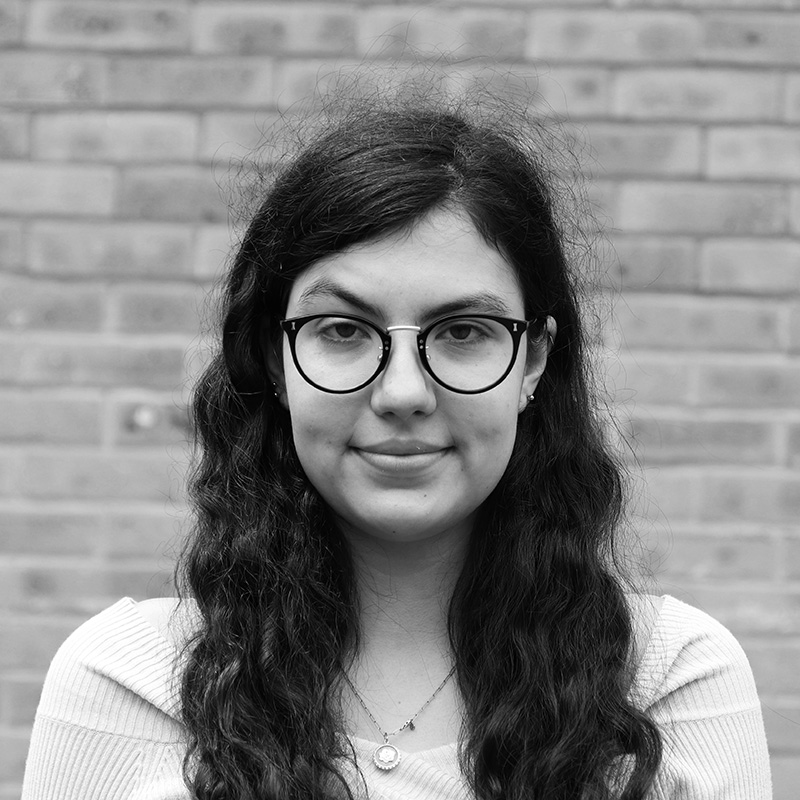
I was 25 when I began my internship at the Slice, after which I was selected for the Newsroom Leadership progamme. I had graduated two and a half years earlier with a philosophy degree, knowing I wanted a writing career but unsure of the path. Instead of pursuing another degree, I tried freelancing, pitching stories to different publications. Without formal training or feedback, it was a slow process.
There were three things I valued most during my time on the scheme: the formal training and mentorship, the opportunity to write frequently, and the chance to be deeply embedded in the local community. Having an experienced editor who was genuinely invested in my development was transformative. Receiving detailed feedback on my work helped me understand how to shape stories in a way that was both engaging and concise. Tabitha is hands-on as an editor. She paid attention to the areas where I needed the most improvement and consistently pushed me to raise my standards.
At any given time, I usually had two or three stories in progress, ranging from longer feature pieces to shorter news reports. This constant practice allowed me to experiment with different formats and writing styles, helping me understand what worked best for both me and the publication.
The scheme made me a significantly stronger writer and editor. For me, it provided the entry point into journalism that I had been struggling to find. Before working at the Slice, I rarely received responses to my pitches. Now, almost every pitch I send receives a reply, and most of them are accepted. That change is partly because my pitching and writing skills have improved, but also because editors can see that I now have real newsroom experience thanks to my time at the Slice.
I would absolutely recommend this programme to anyone starting out in journalism. It gave me a clear pathway into the industry and helped me develop both my writing skills and my confidence as a journalist. In my view, it also stands out more on a CV than a short internship at a large national paper—and it’s likely to be a much more engaging and enjoyable experience as well.
Agatha returned to Brooklyn to pursue her career as a freelance journalist.
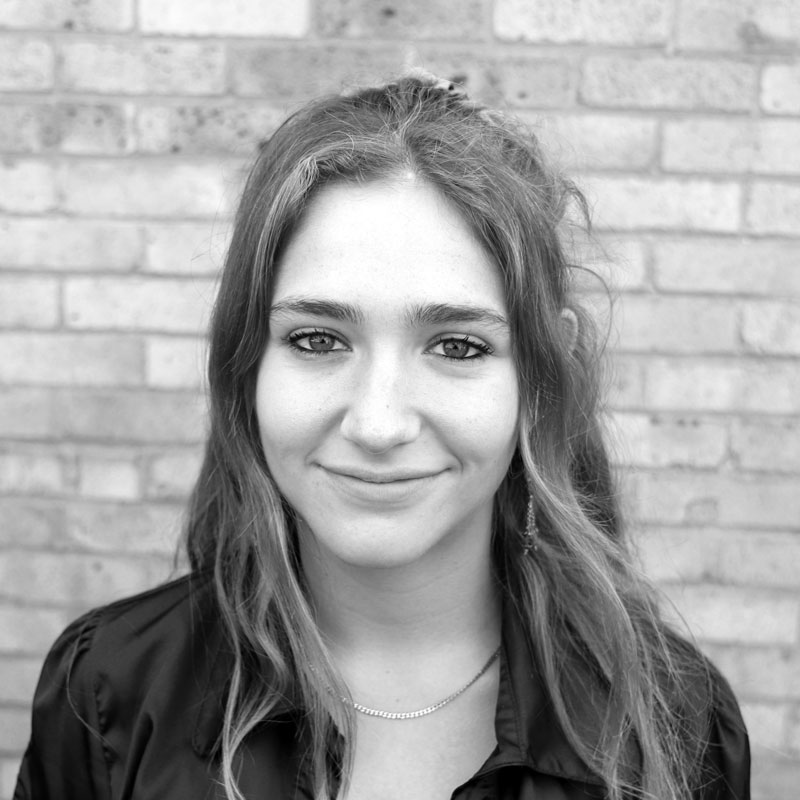
Before joining the Slice, I was doing my Master’s in English Literature and didn’t know what my next steps would be. I had been accepted for an NCTJ and was eager to combine my journalism training with a real-world job in a newsroom. I did both at the same time.
I applied to the programme because I wanted the opportunity to learn a large range of writing formats from news, features, reviews, listicles, interviews, explainers and more. And I was eager to be mentored by an experienced editor and to be catapulted out of my comfort zone into reporting on real people and their real stories.
My time at Tower Hamlets Slice helped me gain confidence in interviewing. Every day, you’re expected to grill a councillor, chat with a local market trader, or speak in detail with a charity about its new campaign. I learnt how to write under pressure, which every newsroom expects. Turning around copy under tough time constraints became second nature to me by the end of the programme. I developed a strong understanding of SEO, despite knowing nothing about it at all when I started. I left knowing exactly how to optimise my articles to ensure maximum web traffic.
I really enjoyed coming up with the cover shoot for our summer print magazine. Getting to commission the photographer, plan the shoot, and write a feature about the history of drag was a wonderful experience. Being at the Slice allowed me to understand all the stages essential to delivering a story: from the initial idea to seeing it come together as a print product. Even though the internship is tough, you’re never alone in the newsroom. You’re constantly given the gift of wonderful mentorship by Tabitha, and you get the opportunity to collaborate with a team of creative interns at every stage of the scheme.
The internship is essential training for any aspiring journalist who wants to gain real-world experience. It would benefit anyone interested in reporting on an incredibly diverse and politically complex borough in London. Tower Hamlets is a true melting pot of wonderful people, and it’s the perfect place to develop your skills as a reporter.
Imogen Garfinkel went on to be a reporter at the Jewish Chronicle.
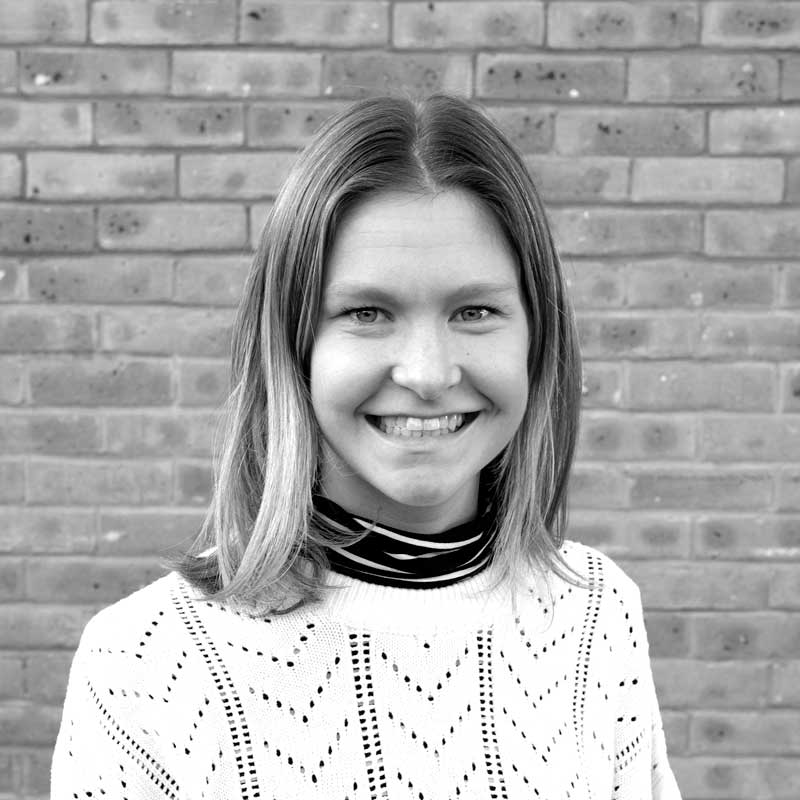
The newsroom leadership programme gave me invaluable experience in a small but bustling newsroom and was the perfect place to build confidence as an early-career journalist.
From digital production and SEO, to pounding the streets to find stories and scrutinising local politics, the programme exposed me to so many parts of the newsroom that I wouldn’t have got at a larger publication.
I cherished the freedom to adapt my writing style across breaking news articles and long-form features, and it’s safe to say no one day was the same. Most importantly for me was truly feeling at the heart of the community we served, delivering expert, solutions-focused journalism and telling the grassroots stories that so often go unheard.
Polly Nash went on to become a full-time reporter for The PIE.
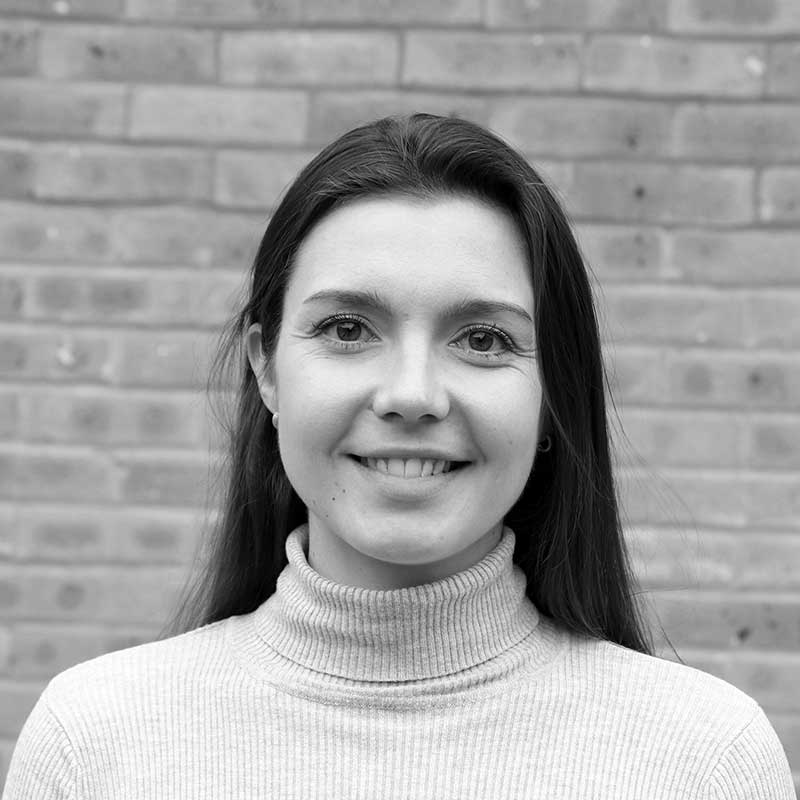
I knew that Social Streets had a great reputation for doing ‘proper’ journalism – its model of community journalism means you have to go out there and make genuine and lasting links with people who could give you the stories and insights into what really mattered to those living there. Tower Hamlets is a very overlooked patch (and mainstream media usually puts it in a negative light e.g. knifecrime, gangs etc) but it is a hugely interesting area in terms of its social and political history and how that feed into the issues, challenges and opportunities it faces today.
One of the best things about the role is that because it’s a small team you have oversight of all areas of the publication – social media, analysing monthly stats, immediate news stories, longer form features… you are the newsroom! Also the variety of stories and the scope to explore your own ideas is something you wouldn’t get on larger publications . On any given day, I would write about an interesting historical aspect of the neighbourhood, to attending a local protest and getting sources and quotes for the article then and there. I loved building close and trusting relationships with sources in a small patch and getting to know the area so well – something that wouldn’t be possible in a wfh role.
Victoria Miller went to become a full-time reporter for The Caterer.
FAQs
Do you offer other training opportunities?
Yes, we have a fully educational editorial floor including two to four-week unpaid work placements, three-month paid internships and the six-month part-time Community Journalism Course, which is free to Tower Hamlets residents.
What are you looking for?
When you apply it would be helpful if you could demonstrate the following:
A proven ability to write fluently and at speed
A determination to seek out stories that mainstream media overlooks
An interest in local journalism as an industry
An interest in social enterprises and our mission
What is the application process?
Round 1 – 15-20 minute video call interview. Opportunity to speak to a previous employee.
Round 2 – Preparation work and meeting in person.
Round 3 – Final interview for the last three candidates.
Are you office based?
Yes, we are office-based. This is a requirement of the programme as we are reporting on the local community and need to pound the pavements daily. The programme will require to work in the office four days a week. Mondays are worked remotely.
How much annual leave do I get?
Six weeks of paid leave. A journalist’s life can lead to burn-out and we think it’s important to have a ‘reset’ every year, which is why the office closes for three weeks in August, continental style. This is like a mini-sabbatical allowing people to do something amazing whether that’s being with the family or going for a long trip.
The August break accounts for three weeks of your annual leave. The office also closes for Christmas Day, Boxing Day and New’s Year Day and the days in between Christmas and New Year amounting to on average seven or eight days of paid leave. Moving onto spring, Good Friday and Easter Monday are both paid leave allowing for a four-day break. This brings us to about five weeks of paid leave. Remaining bank holidays form part of your paid leave.